
The evidence to satisfy anyone with a genuine will to know God through Jesus Christ is available. At least, there’s enough to see incredible value in considering him very seriously. Why turn up your nose at the prospect of eternal life and a relationship with the creator of all things? What do you have to lose? The story of Jesus’ life is enough for the open heart and mind, and many millions – perhaps billions – have stepped over that line throughout history because of it.
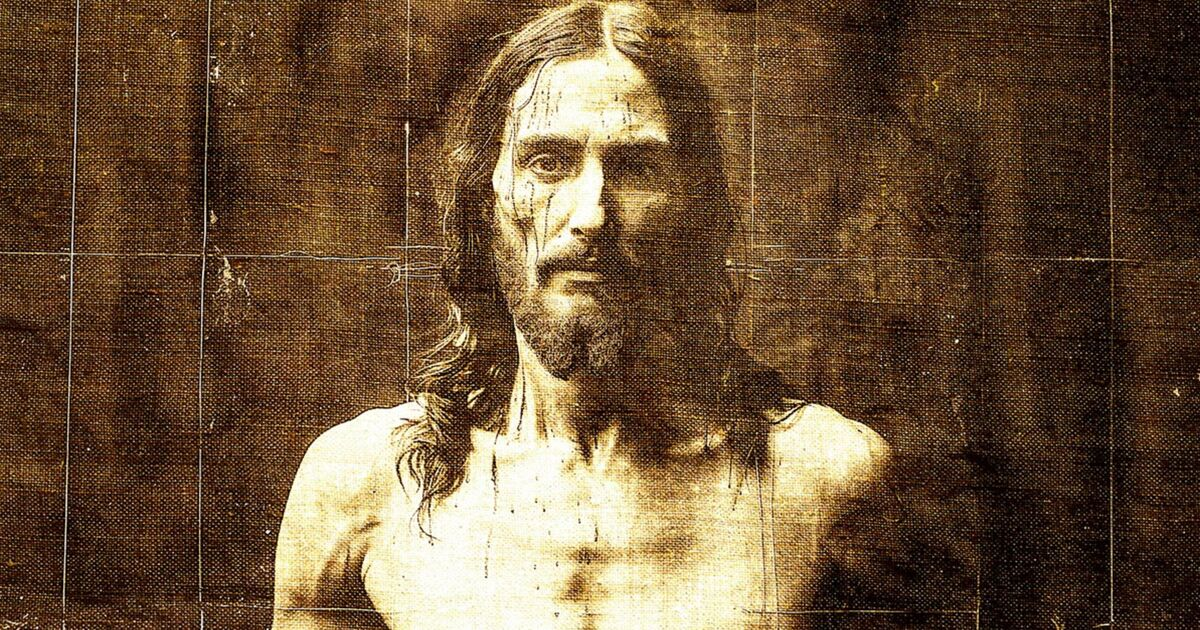
Dissenters of all stripes like to claim that Jesus was just one of a string of “great teachers” and never claimed to be anything more. On the contrary, someone who claims to be the only way to God as he did must either be rejected as a liar or considered as possibly telling the truth – he was certainly not just a good teacher. Siddhartha Gautama, the original Buddha never claimed to be the Son of God. The deeds of Krishna were written down thousands of years after he was supposed to have lived. In contrast, Jesus’ words, the testimony of his life and that of his apostles are now known to have been revered, talked about and written about very shortly after his departure. They shaped history beginning in the first century. They are powerful enough for us to be condemned or saved by them, according to the gospels and the epistles, and depending on what we as individuals do with them.
Those who today insist that the Bible “doesn’t say that Jesus was God” or that Jesus never said he was the son of God are somehow missing a mass of testimony to the contrary, including the incredible supernatural events surrounding his birth. I’ve written about some of that testimony before. The angels proclaimed his deity and he was born to a virgin. He’d only just been born when his profound importance was being announced:
“Today in the town of David a Savior has been born to you; he is the Messiah, the Lord” (Luke 2:11).

The life and works of Jesus should be enough to attract anyone who claims to care for the poor, who claims to seek truth or who claims to seek meaning in life and the universe.
Jesus was born into a working class, small-town family. The only fanfare he received was from angels, not men. He was a “nobody” and was thought to be the son of a nobody. He grew up in an insignificant little town in the middle of an insignificant little land. He was without educational accolades or achievements. His childhood was apparently so “normal” and uneventful that there’s no record of it apart from one incident. On this occasion, when his parents had to search for him in a strange city, they found him engaging some of the religious leaders of his time. At the age of twelve he “astonished” men who had been trained by the most influential and powerful leaders of the nation. I’ve heard ministers claim that Jesus had to learn about God: they obviously haven’t read how these men, held in great esteem by their generation, were aghast at his knowledge.
He lived and grew in obedience to his parents. There were, it seems, no tantrums and no teenage tizzies. No drugs, no racing around the city in the latest and fastest model of chariot, no womanizing, no claims to being a woman, no boyfriends and no string of broken relationships with girls.
The start of Jesus’ brief ministry saw the employment of his miraculous power in the changing of water to wine. HIs mother, it seems, was aware that he had the ability to solve the dry party problem and recruited him to do just that. The wine he made was not “fruit juice”. The Greek word used here is the same as the one Paul used when he said, “Do not get drunk on wine”. How could anyone get drunk on fruit juice? When Jesus mingled with drinkers, harlots and tax collectors at other times, he didn’t do it so that he could have a few jars with the boys and get tipsy and loud, but so that he could present himself to them as being sent by God, to show them his love, and to challenge them to change their ways or to “repent”.
Jesus was “meek and lowly”. There was no prideful swaggering on a stage. He didn’t make claims he couldn’t fulfill. There was no sense of performance when he healed the sick, and when he healed, he really healed, without knocking anyone over. He didn’t just make someone’s back feel better, he made people who had been blind all their lives suddenly see, and he made people who had been immobile all their lives suddenly walk and run and jump for joy. He raised the dead. His healings were real and immediate and were always a sign to the world that he was no mere man: he was the power of God on the earth, in the flesh.
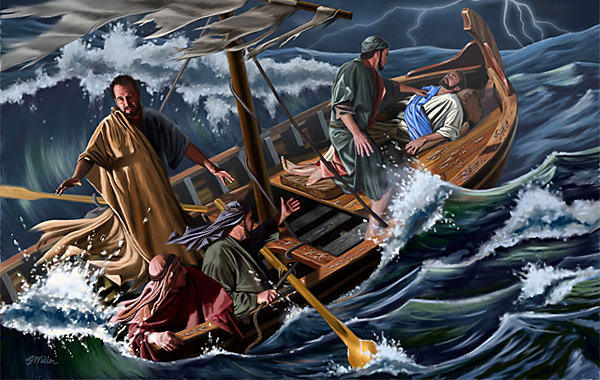
Jesus had “nowhere to lay his head”. His working-class association continued to the end of his life, despite the gifts and attention of both rich and poor. He had no pretentions. He didn’t cozy up to politicians or the rich and powerful. There was no trace of aloofness or superiority: he mixed with the lowest of the low and made them feel not just that he cared about them, but that they wanted to aspire to his love and holiness. He won people over by his humility, not by swagger, glitz, arrogance, expensive cars and private planes. He asked people for their devotion and love, not for their money. He didn’t build a huge fancy complex calling it “the house of the lord”, and he didn’t encourage others to do the same. Instead, he urged them to give to the poor.
Besides the testimony of his mastery over all things – nature, sickness, life, death, souls and spirits – he made clear that he was “one with the Father”. If that were not enough he taught things which no other man has ever taught. He made claims over all things including the future. He made himself equal with God – the very reason Jewish leaders finally condemned him, as they admitted. He stated things which no other man can justly state. For example, in speaking of his own body he said, “Destroy this temple and in three days I will raise it up”. How could he raise his own body? He could only do it if he were, behind his humanity, the Lord of life.
When the time came for Jesus to hand over his life as a sacrifice for sin, he obeyed the Father and complied in every way, fulfilling prophecies made hundreds of years earlier. He surrendered to Pilate without complaint. He took the flogging without cursing. He forgave the people who hammered nails into his hands. His love and humility extended all the way to surrendering his deity and his very life in order to win millions to himself. A multitude of people from the ages of humanity – future and past – would become his holy, devoted and eternal Church.
The followers of Christ gave their lives in many cases for the conviction that he had risen from the dead. A one-time persecutor of Christians – Paul – had his own powerful conversion experience and spent the rest of his life telling the world that Jesus is the Christ, the Son of God. The testimony of such men stands to lead us to salvation or to condemn us. History, archaeology, the written word of God, nature and the Spirit of God all work to bring us to our senses, and to bring us to Christ.
Thank you for reading. I will here attempt to separate my text from ugly ads:
Space
Space
More space.

