
Hello to all my wonderful readers. Today I want to share some thoughts on the resurrection of Jesus Christ, beginning with the testimony of a fine New Testament scholar and a fine apologist, and ending with an expression of my own experience with the risen Jesus.
I’ve been a professing Christian for decades, and while some people struggle to accept the physical resurrection of Jesus Christ and the believer’s future bodily resurrection, I’ve never had a problem with it. In fact, being convinced of the life, works and deity of Jesus Christ I haven’t spent much time looking into detailed evidence. We as believers do, after all, live by faith. However, faith does not have to be blind, and seeking evidence is not sinful at all. Jesus was more than happy to not only appear to his disciples after his resurrection but also to explain from the Scriptures that Christ had to give his life and then be raised (Luke 24:25-27).
VITAL DOCTRINE. As Godly ministers and apologists insist, the resurrection is one of those indispensable doctrines for anyone claiming to follow Christ. Paul made this plain in his first letter to the Corinthians. He had seen the risen Christ, and he stressed that without the resurrection the Christian faith and the Christian gospel is empty and powerless. Without it we are dead in our sins, and without it we are not outworking the will of God as we like to think, but just playing at being good people before our lives end and we are extinguished forever. However, Christ is raised, and while we are to be witnesses in our world, our future is with Him, in our own physical and spiritual resurrection to eternal life.
NO PHOTOGRAPHS. What is the evidence for Christ’s resurrection? Obviously, there are no photographs dating back to the first century; no glossy magazine illustrations showing Jesus posing on the cover with thumbs up; no videos of the disciples excitedly telling their experience on television news reports and no plaques commemorating or celebrating the re-appearance of Christ. No wonder, because to the Romans he was a nobody. Most of the Jewish religious authorities – those who controlled the people and what they were to believe – wanted him dead and gone. They didn’t want him coming back. Had they believed the rumours of Jesus’ resurrection they would have attempted to find him and put him to death again. Since they did not believe or want to believe, and once the rumors started, they would have gone to get his body from the place where it was buried or among the disciples which they persecuted; they would have paraded it in the streets or hung it up in a public place for all to see and so end the story going around town that he was risen and appearing to his disciples.

Those who put Christ to death would have gone to great lengths to stamp out the shocking and powerful story which threatened, so they thought, to bring the Roman military down upon them. They had already condemned him to death knowing that he was a miracle worker who claimed to be the son of God. They were determined to keep this Jesus person dead and to rub out the memory of his name. No history books were written to commemorate him… except those written by his immediate disciples and their close associates.
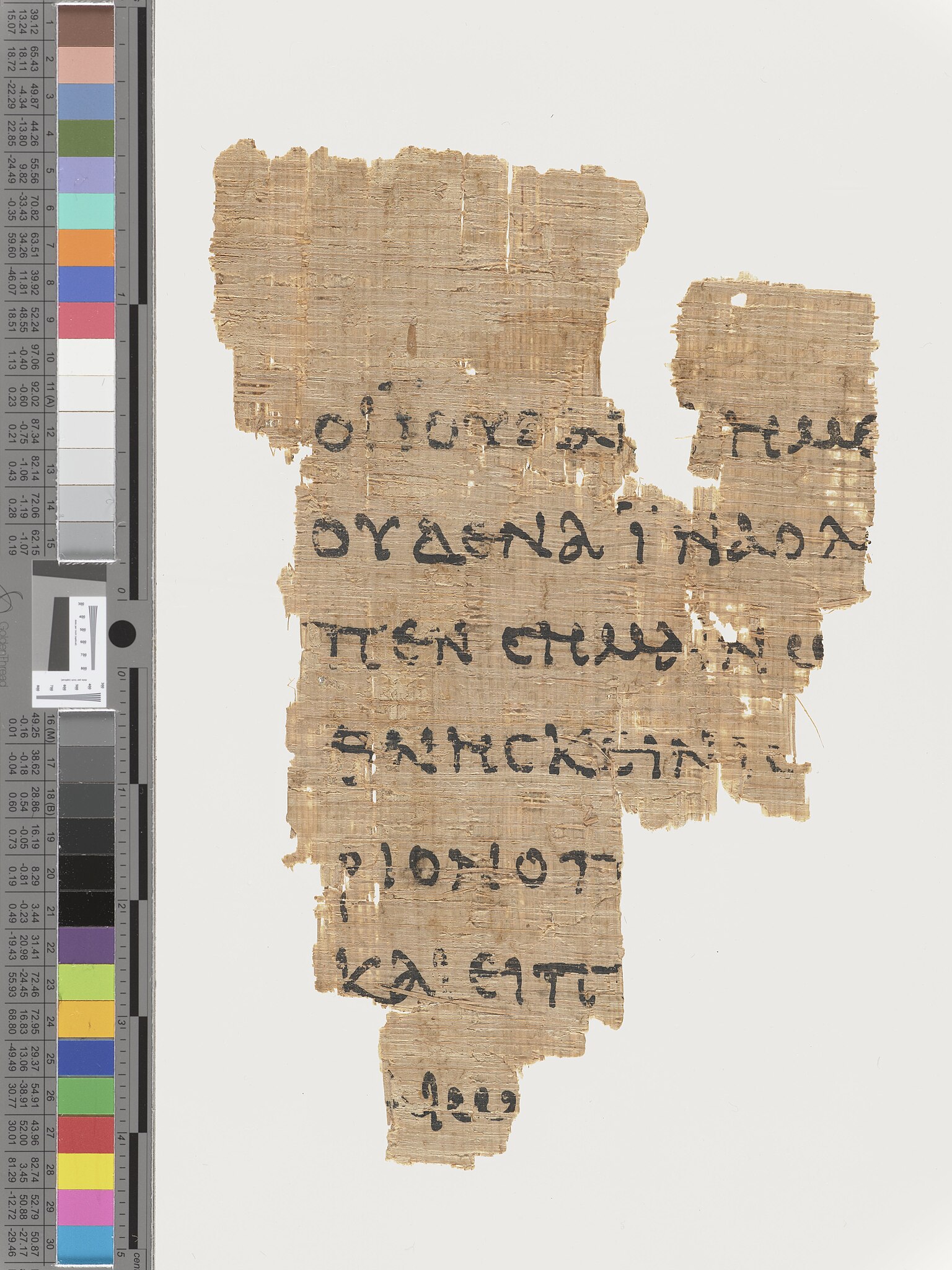
These are the gospel accounts and the epistles, which even the most skeptical scholars now admit were written within years of Jesus’ crucifixion. We also have references to Jesus in the writings of non-Christian characters from the first and second centuries, and the writings of early church leaders: I’ve shared some of the details in previous posts and will probably do so again. I’m no expert by any means – I’m simply sharing and passing on what I’ve learned myself and what I am personally convinced of. What you do with the claim of Jesus’ resurrection depends on your heart and determines your eternal future.
EYEWITNESS EVIDENCE. Without photos or government documents the evidence which does exist in support of Jesus’ bodily resurrection makes good sense. You could write volumes in support of it. In fact, many people have, and one of the experts in this field, a New Testament scholar by the name of Gary Habermas, has compiled four volumes of evidence, having studied the resurrection for decades. I will here very briefly summarize some of what Gary commonly presents as evidence, then I will note some comments by a couple of other terrific Christian apologists.
Dr. Habermas begins by stressing that the resurrection of Christ is central to the gospel. In fact, if there were no bodily resurrection there would be no gospel and no meaningful Christian faith to follow. Having studied the teachings of other renowned religious and philosophical figures of history, Gary states that of them all, only Jesus is believed by early eyewitnesses to have risen from the dead and to have recorded the significant facts.
EARLY TESTIMONY. These eyewitnesses provide for us multiple independent sources of information – not just the claims of one or two zealots. These sources can be cross-referenced and compared. Habermas tells us that even according to skeptical scholars who are closely familiar with the evidence, the timeline of Christ’s life and crucifixion and the claims of his resurrection fit into timelines between 30 to 36 AD or 33 to 39 AD, these dates being related to significant and relevant Jewish feasts and sabbaths. They will attest that he claimed to be the son of God and the son of man and that disciples claimed he appeared alive to them, including Jesus’ brother James who began as an unbeliever. Habermas says that even atheist scholar Barth Ehrman accepts early sources of information which we believers use as evidence.
NO MYTH. Of course, this knowledge or any other evidence does not “prove” the resurrection, but at the least it dispels the nonsense we sometimes hear about Jesus being a “myth” or a creation of someone’s imagination conjured up centuries later. The benefit of it is to confirm many truths to those who are in the faith or who are sincerely seeking. Some people want to know God even without evidence and some don’t – no matter how much evidence you offer them. The information recognized by New Testament scholars confirms some of those scholars in their unbelief but affirms and builds the faith of others.

EARLY TESTIMONY. The very liberal and largely unbelieving “Jesus Seminar” has agreed that the gospel which includes the resurrection of Jesus was being preached immediately after Jesus’ crucifixion and didn’t begin decades or centuries after. It also confirms that some people were convinced of the truth of the resurrection at the very time of the events. This simple message was quickly distilled into what are known as “creeds” – brief and simple expressions of faith – many of which appear in the New Testament. Paul’s first letter to the Corinthians is known to have been written around 50 AD – seventeen years after the crucifixion – and incredibly, even there Paul referred to what he had previously told the Corinthians about the resurrection. In other words, a part of what he wrote about the resurrection of Jesus was already a creed in use before 50 AD. The following passage from the letter is a little lengthy, but given the significance of the above fact, it’s well worth a read at this point:
“Now, brothers and sisters, I want to remind you of the gospel I preached to you, which you received and on which you have taken your stand. By this gospel you are saved, if you hold firmly to the word I preached to you. Otherwise, you have believed in vain.
“For what I received I passed on to you as of first importance: that Christ died for our sins according to the Scriptures, that he was buried, that he was raised on the third day according to the Scriptures, and that he appeared to Cephas (Peter), and then to the Twelve. After that, he appeared to more than five hundred of the brothers and sisters at the same time, most of whom are still living, though some have fallen asleep. Then he appeared to James, then to all the apostles, and last of all he appeared to me also, as to one abnormally born” (1 Corinthians 15:1-8).
EARLY CREEDS. Habermas tells us that even the unbelieving Jesus Seminar considers this creed to have been in use before Paul set out to Damascus in Acts chapter 8 – in other words, before his own encounter with the risen Christ and his own conversion. Paul set out for Damascus only two to three years after the cross.
In Paul’s letter to the Galatians he records that he went to Jerusalem after his conversion to compare notes with Peter and Jesus’ brother James (Galatians 1:18). He went back a second time to be sure he had all his facts straight (2:2). He notes that “they added nothing to me”, meaning that yes, he had the facts right. In 1 Corinthians 15: 11 Paul writes, “So we preach and so you believe”. In other words, says Gary, Paul is linking the deity, death and resurrection of Jesus Christ with the earliest eyewitnesses. Even Barth Ehrman has written that “this is as close to eyewitness testimony as you can get”.
CLINCHER. Dr. Habermas notes that critics will draw attention to apparent contradictions in the New Testament. However, he says, if Christ claimed to be the son of God (which he did) died on the cross and then rose from the dead, any apparent contradiction is of comparatively little importance: the Christian gospel is true! He also says that if you are a materialist or a naturalist you have no business criticising the miracles of Christianity, since, as atheist Bertrand Russel himself said, you cannot prove that there is no God.
MARTYRS TO THE TRUTH. Habermas and others draw attention to the fact that early disciples including Paul were transformed by the gospel message, including the fact that they claimed to see Jesus alive after his crucifixion. Paul gave up his considerable reputation and his credentials to go and preach the gospel. We now have first century sources for the martyrdoms of Peter, James and Paul, says Habermas. This means that these men were so convinced of the resurrection of Jesus that they were prepared to die over it. Being contemporaries of Jesus, they didn’t just die for something they believed in as modern jihadists may do, but they were prepared to die for what they claimed to have personally witnessed. It makes no sense that they would willingly be persecuted and put to death for something they knew to be untrue, or something they were unsure of.
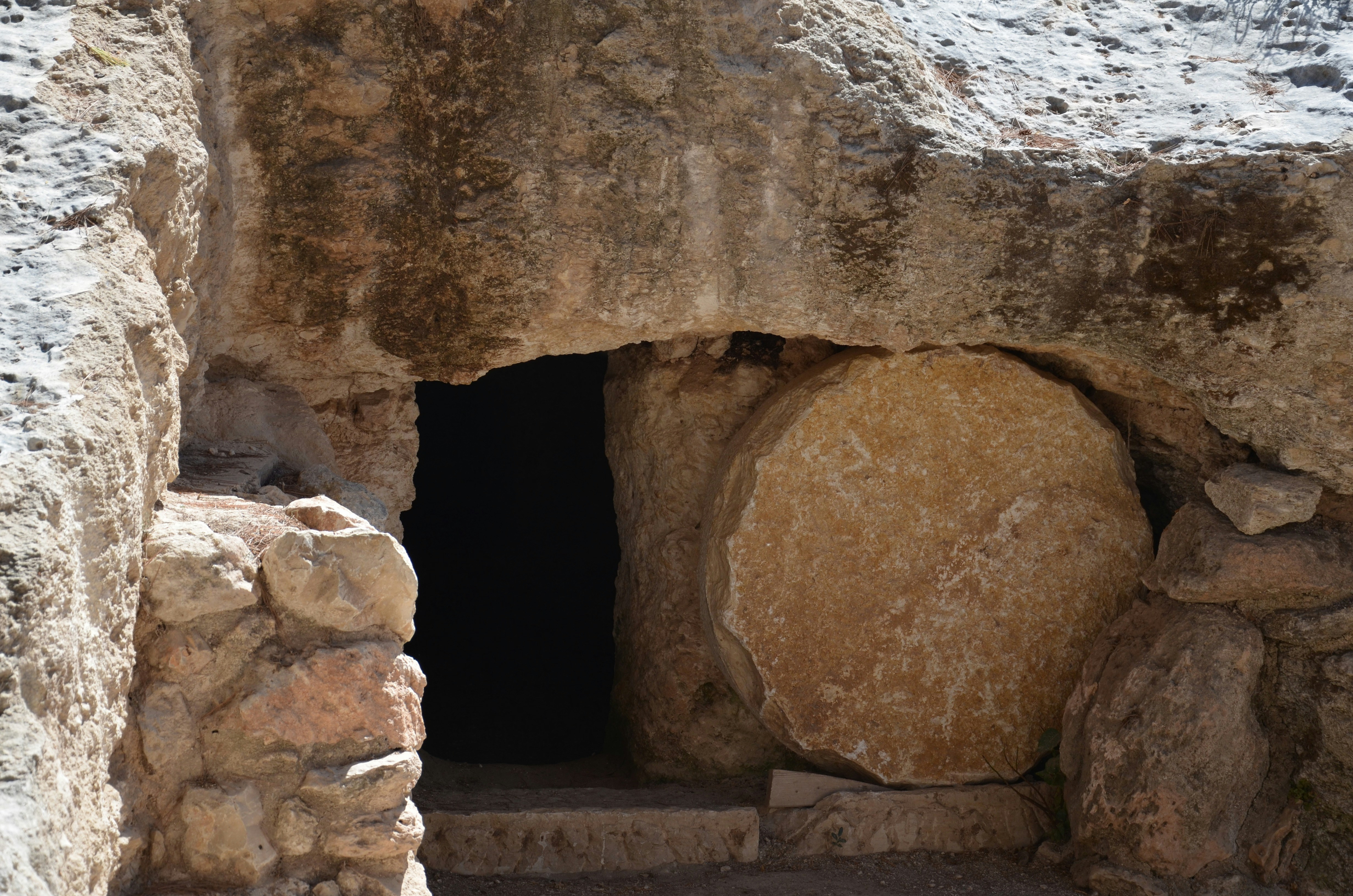
Habermas and others also consider the subject of the empty tomb. Unbelieving Jews and Roman governors alike had no body to show to those spreading the “dangerous” rumor that Christ had risen.
DISPUTING EXCUSES. Certain accusations are made by skeptics regarding such theories as “resuscitation”. Jesus didn’t die on the cross, they insist; he was only wounded and his disciples revived him and then claimed he’d risen from the dead. The eyewitnesses willingness to die for their faith wipe out this idea. Alexander Metherill, with a medical degree and a doctorate in engineering, in Lee Strobel’s great book “The Case for Christ”, demonstrates the impossibility of anyone surviving the wounds inflicted on Jesus. He asserts that the Roman soldiers were experts in both torture and execution, so that there would have been no mistakes and no recovery. Similar claims are dealt with in Strobel’s book.
CONFIDENT WITNESSES. In a video interview with Wesley Huff, a Canadian apologist, Huff states that even the most skeptical of scholars will admit a man called Jesus was crucified under Roman governor Pontius Pilate. Huff says he takes a “cumulative approach” to the resurrection, meaning that the fact we are discussing it two thousand years later is powerful testimony on its own. There were other Messianic movements at the time of Jesus, but the layman cannot name one of them.
Huff is impressed by the fact that while Jesus’ disciples were hiding at the time of Jesus’ arrest and shortly after, they very soon became courageous, even fearless preachers of the gospel. This is powerful evidence that they had had an experience which changed their lives radically. Peter, who denied that he knew Jesus on the night of the crucifixion, quickly became a powerful witness to Christ’s resurrection, even preaching to thousands of his countrymen at once on the Day of Pentecost.
Again, Huff asserts that while we have “martyrs” in our time dying for what they believe to be true, the first disciples of Christ would surely not have given their lives for something they knew to be a lie. For this reason also, accusations of skeptics such as the claim that disciples stole the body of Jesus themselves to create a falsehood do not make any sense. They had seen Jesus be crucified: why get the same treatment by making up a story exalting a dead man? They saw Stephen, himself a believer, being stoned to death for preaching the gospel and resisting the authorities: why would they continue in the same way if the gospel was just a fabrication?
MY OWN TESTIMONY. Finally, I cannot close this article without mentioning the “evidence” of Christ’s resurrection in my own life. One fine day decades ago, I was changed from being a lost soul without meaning in life, to a follower of Jesus Christ when I asked Him into my life. I haven’t been perfect since then by any means, but the change in me from that time on has been incredible. Life, the universe and everything makes sense to me now. I know that my redeemer lives. I know that he has been with me even when I haven’t sensed his presence, though I times I have sensed it powerfully. I’ve seen Him at work in my life and in the lives of other people. I’ve seen the beauty of his character in the words he spoke and in the record of His ministry. I see Him in the creation. I love the promise He gave that I can be with Him forever if I will only believe, and my heart is fully locked on that future. He is indeed risen, and I will be with Him one fine day, in flesh as well as in Spirit.
VIDEOS REFERENCED:
“Super Early Facts for the Resurrection! – Gary Habermas” (Gary Habermas).
“Best Historical Argument for the Resurrection and Why Scholars Can’t Dismiss It Wesley Huff Ep.232” (Michala Peterson and Wes Huff, from 53rd minute).
“Five Resurrection Facts That Occurred by 36 AD” (Southern Evangelical Seminary).
“Jesus Has Risen: The Evidence!” (Sean McDowell).
“New Evidence for the Resurrection of Jesus (with Dr Jeremiah Johnston)”

