
When we pray for healing does God’s apparent inaction stem from our failure to work up enough faith? Would we all be fit and healthy if only we had plenty of it? Does the faith which is as small as a mustard seed really need to be as big as a mountain? I don’t claim to be an expert in this field, and neither am I a man greatly empowered by the Holy Spirit as some people see power. However, I do have some answers from Scripture-the Bible-for those who are genuinely seeking.

Photo by Samuel Martins on Unsplash
Please forgive me for any ugly ads or gaps inserted in this post by WordPress software. There is at least one ad going around about speaking in tongues which I do not at all endorse.
In this article I will answer these questions: Is it impossible for God to heal unless we have faith? Is God only willing to heal if we have a lot of faith? Should all believers be perfectly healthy endlessly? Will God only heal if we insist He’s going to do it, or if we confess that He’s already done it? Is it unbelief to bow to the will of God? Is it sinful to visit a doctor and seek medical help?
THE GREAT ESCAPE. Those posing as ministers of the Holy Spirit and claiming to be endowed with great power have an easily available opt-out clause when those who come to them for help don’t get healed or don’t have their problems resolved: It’s your fault, not mine. If you only had more faith, or if you only gave more money, or if you would only speak the correct words of faith proclaiming that God is going to do it then it would be done, they will tell you. They will even find the odd verse or phrase spoken by Jesus apparently giving credence to this position. Thus the miracle-worker absolves himself or herself of any failure and remains on a pedestal when the miracle doesn’t happen, while the suffering believer goes away empty-handed, deflated, defeated and guilty, and possibly short of a considerable amount of money.

NOT FREE OF PROBLEMS, YET. The following observations address health and wealth at its most fundamental level. We have to remember that all of the physical realm, including our own bodies, is under a Curse. Christ’s sacrifice and resurrection did indeed ultimately free us and all of nature from the Curse, but as Paul made plain, “flesh and blood cannot inherit the kingdom of God” (1 Corinthians 15:50). In this same verse Paul called us the “perishable”. The bodies we are currently in are already tainted and suffering the effects of the Fall, and we cannot escape that reality, no matter how great our faith is. “It is appointed unto men once to die, and after that the judgment” (Hebrews 9:27). Every single one of us, including the faith healer, will die unless Jesus Christ comes first. How can anyone die when they are perfectly healthy? They cannot. Aging is not healthy: it’s the complete opposite of health. Aging and death, and associated maladies, are the result of genetic decline and disease which is inevitable for every human being, including the one with the greatest faith on earth. In other words, Christ did not come to completely free us from suffering and problems, though He will certainly work at times on our behalf. He said it himself:
“In this world you will have trouble. But take heart – I have overcome the world” (John 16:33).
THE WILL OF GOD.
What about God’s miracle-working power in this life? Yes, I do firmly believe that God answers prayer, that he sometimes heals and that He cares about all our problems. I also believe that He is able to do anything you or I could possibly imagine, were it within His will. He could make every one of us healthy and strong indefinitely. However, that isn’t His will, whether we like it or not. Reality tells us that it isn’t so, Scripture tells us it isn’t so, and even those acclaimed as having the deepest walk with the Holy Spirt and the greatest faith age, get sick and die. The human attrition rate is 100%. Therefore, to accuse someone of not being healed because they don’t have enough faith is incorrect. Not only so but it’s actually damaging to faith. Such accusations are destructive and counter productive. They don’t build the Church – they corrode its health and its witness to the world.
People are so anxious to be healed or to have their problems addressed by the Lord or by the “great man of God” (and I know this partly because I’ve done it myself) that they will look for or concoct reasons why it didn’t happen before in order to find a way around whatever “obstacle” there may be, and for the magic key of faith and logic which will unlock a miracle. What we are missing is that God’s will is paramount – not ours, and not that of the miracle worker. God does not “have to” heal if we ask him to, or when we “demand” that he heal “because he said he would do it”. In this case we are rising up in pride against the One who holds all things in His hands, including our health and our very lives. God is God, and we are dust.
THE PURPOSE OF JESUS’ EARTHLY MINISTRY. Why did Jesus heal during his earthly ministry? In contrast to popular opinion, and while we are told in the Old Testament that “by his stripes we are healed” (Isaiah 53:5) he wasn’t attempting to put the whole world straight then and there so that the only barrier to perfect health and wealth is our own lack of faith. Instead, his miracle-working power was both a confirmation of who He was and is, and an expression of his love and compassion. Besides His number one mission to die for the sins of humanity He clearly stated the reason for His ministry:
“I must proclaim the good news of the kingdom of God to the other towns also, because that is why I was sent” (Luke 4:43).
The Isaiah verse is speaking of a spiritual healing, not perfect health in this world. We are healed from the consequence of sin, which is eternal separation from God, by the sacrifice of Christ. This is far more profound and valuable. However, since Christ’s ascension we still have His mercy and love at our disposal. He is not unapproachable: he cares for us all, and I have personally seen the Lord at work in many areas of my life over the years. The important thing for us to do is to reach out to Him and to appeal to His mercy and grace. This principle comes up again and again in any real study of Biblical healing.
IS IT TRUE THAT GOD CANNOT HEAL WITHOUT OUR FAITH? We are sometimes told that God literally “cannot” heal without our faith, or that He can’t heal if we don’t have enough faith. This claim is taken partly from Jesus’ encounter with the people of His hometown, Nazareth: “And he did not do many miracles there because of their lack of faith” (Matthew 13:58). However, his lack of miraculous engagement there wasn’t due to the fact that the Nazarenes didn’t believe in Jesus’ miracle working power. In fact, they openly recognized it! They knew that Jesus was a miracle-worker:
“…they were amazed. “Where did this man get this wisdom and these miraculous powers?” (verse 54b).

Their problem was not that they didn’t believe he could do it, it was that they weren’t interested in who He was. They were so offended by Him, once they realised that He wasn’t that little boy they once looked down upon that they refused to even consider bowing to His authority, or his love, mercy and power. “We know this guy”, they said, “He’s a nobody”:
“Isn’t this the carpenter’s son? Isn’t his mother’s name Mary, and aren’t his brothers James, Joseph, Simon and Judas? Aren’t all his sisters with us? Where then did this man get all these things?” And they took offense at him” (verses 55-57).
“IF YOU CAN”: NOT A BLOCK TO THE POWER OF GOD. The father whose son was afflicted by a spirit wasn’t convinced of Jesus’ ability or willingness to help. He said, “But if you can do anything, take pity on us and help us” (Mark 9:22b). Jesus didn’t refuse to heal the boy because the boy’s father had used that little word, “if”. It doesn’t even appear that Jesus’ reply was a rebuke. Instead Jesus was making plain that God can do whatever He wants to do, and there are no limits. Certainly, the faither should have been believing this, as we should. In any case, the father said to him, “I do believe; help me overcome my unbelief!”
Whatever you make of this passage, it’s clear that the father did not have to “confess” that Jesus was going to heal or that he had already done it. No amount of reluctance or unbelief can stop the power of God or the will of God. It can, however, produce failure to appeal to or accept His mercy and help. Arrogance and pride refuses to seek the Lord’s help. Humility and brokenness, even accompanied by weak faith, leads us to God’s mercy.
GOD BE WILLING… PLEASE. God’s will is the final decision-maker, not ours. We can’t “make” the creator of the universe do anything for us as though He were our servant. No, we are His servants. Neither do we have powers of our own to heal and to work miracles, even though this is the incredible and ridiculous claim of some on the fringes of the charismatic world. Jesus said, “Without me you can do nothing” (John 15:5). I’ve heard it said that to question whether or not God will heal is enough to stop Him doing it. You have to “confess” that God is going to do it or has already done it before you can receive healing. Here is further evidence that people who make such proclamations don’t read the whole counsel of the Word, and they’re constructing their own theology from a position of human reason and superstition. Consider, for example, the leper who approached Jesus and asked Him to be willing:
“A man with leprosy came and knelt before him and said, “Lord, if you are willing, you can make me clean.” Jesus reached out his hand and touched the man. “I am willing,” he said. “Be clean!” Immediately he was cleansed of his leprosy” (Matthew 8:2-3).
In the Old Testament Shadrach, Meshach and Abednego were not sure that God would choose to deliver them from the fiery furnace, and they didn’t have to “confess” that He would:
“If we are thrown into the blazing furnace, the God we serve is able to deliver us from it, and he will deliver us from Your Majesty’s hand. But even if he does not, we want you to know, Your Majesty, that we will not serve your gods or worship the image of gold you have set up” (Daniel 3:17-18).

The twelve disciples-including Judas-were rescued from the storm by Jesus (Luke 8:22-25). They thought they were going to drown, and when Jesus had calmed the sea, He asked them, “Where is your faith? (verse 25). Their lack of faith didn’t stop them being rescued, and their demise wasn’t in the will of God. Their being in the hands of God was what Jesus wanted them to have faith in.
Numerous accounts of healing in the New Testament had nothing to do with faith on the part of the one being healed. One of the most significant is the healing of the high priest’s servant whose ear Peter had cut off. There’s no expression of faith on the part of the servant or anyone else, and none required by Jesus-He just did the miracle with no questions asked:
“When Jesus’ followers saw what was going to happen, they said, ‘Lord, should we strike with our swords?’ And one of them struck the servant of the high priest, cutting off his right ear. But Jesus answered, “No more of this!” And he touched the man’s ear and healed him” (Luke 22:49-51).
Over and over again we see Jesus healing people with not even a mention of faith. In some cases, those healed didn’t even know they were about to be healed.
The man healed at the pool of Bethesda did not expect to be healed. He believed a superstition of a healing angel of the waters and thought that’s what Jesus was talking to him about. But then Jesus said to him, “Get up! Pick up your mat and walk” (John 5:1-5). The man was clearly not a follower of Jesus, because when he had the opportunity to betray him to the temple officials, he did (verse 15).
Peter and John healed a man who did not expect to be healed but expected money. There were no questions or demands for faith:
“… where he was put every day to beg from those going into the temple courts. When he saw Peter and John about to enter, he asked them for money. Peter looked straight at him, as did John. Then Peter said, “Look at us!” So the man gave them his attention, expecting to get something from them. Then Peter said, “Silver or gold I do not have, but what I do have I give you. In the name of Jesus Christ of Nazareth, walk” (Acts 3:2-6).
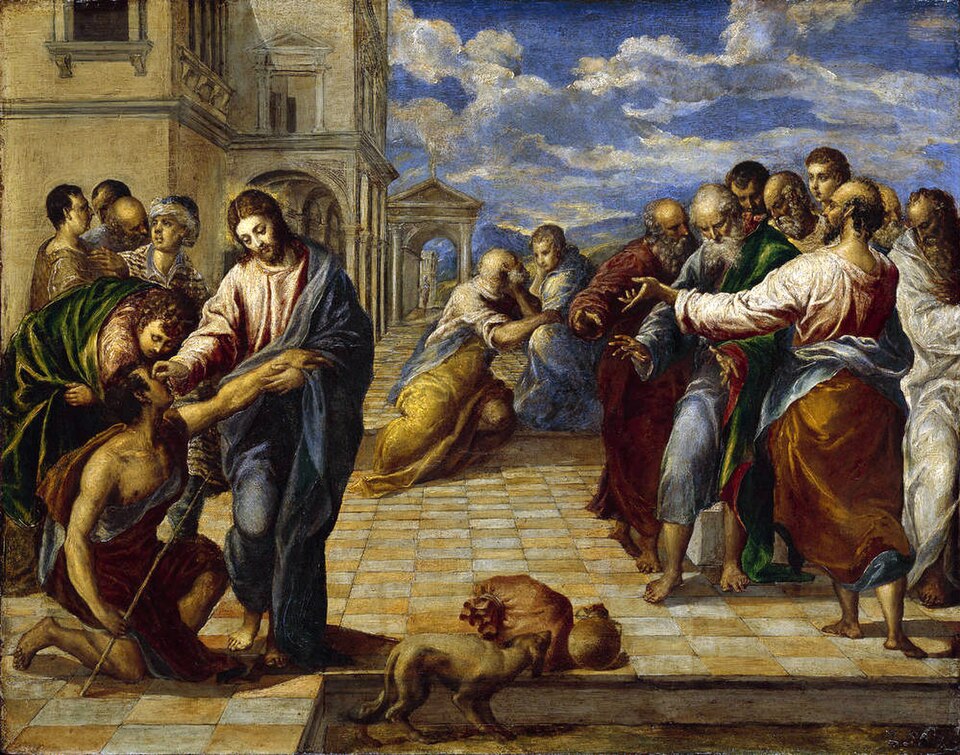
When Jesus healed a man born blind there was no word about his faith. Instead Jesus merely approached the man and healed him (John 9:1-12). When asked by others what had happened to him, he seemed totally unaware of who had healed him and stated that he didn’t know where he was (verse 12).
An official’s son was healed (John 4:46-53) but faith only came to the official and his family after the healing-not before (verse 53).
Faith came after and as a result of the raising of lazarus, not before. This was John’s observation after the event:
“Therefore many of the Jews who had come to visit Mary, and had seen what Jesus did, believed in him” (John 11:45).
If you want people to have faith in Jesus, and you are the one claiming to have great faith and Holy Spirit power-get to work! It was normal in New Testament times for faith to follow miracles-and by that I mean real miracles, not fakes:
“Now while he was in Jerusalem at the Passover Festival, many people saw the signs he was performing and believed in his name” (John 2:23).
Jesus did miracles among unbelievers. They were real and powerful enough to bring judgment upon people who saw them and yet didn’t repent:
“Then Jesus began to denounce the towns in which most of his miracles had been performed, because they did not repent. ‘Woe to you, Chorazin! Woe to you, Bethsaida! For if the miracles that were performed in you had been performed in Tyre and Sidon, they would have repented long ago in sackcloth and ashes'” (Matthew 11:20-21).
On one occasion, Jesus healed and yet marvelled at the lack of faith:
“He could not do any miracles there, except lay his hands on a few sick people and heal them. He was amazed at their lack of faith” (Mark 6:5-6).
THE FAITH OF OTHER PEOPLE. Time and time again in New Testament accounts of healing there is no faith seen or needed on the part of the one being healed, but instead it’s the faith of others who approach Jesus and appeal to Him for help. This means that if you claim to be one of great power in the Spirit (or even if you don’t) you should be able to take your relative or brother or sister to the “healer” or the healing service to be healed. You can be the one with the faith. What a challenge this is to the “super-spiritual” and the “Spirit-filled” among us!
The man on a stretcher lowered through a roof was healed because of the faith of the friends who took him there and his own faith or lack of it is not mentioned (Mark 2:3-5). Mark records that, “When Jesus saw their faith, he said to the paralyzed man, “Son, your sins are forgiven” (verse 5).
Jairus’ daughter didn’t need faith to raise her from the dead, it was “some people from the house of Jairus” who appealed to Jesus (Mark 5:35-43). Jesus did tell Jairus to, “Just believe”, but did not grill him or demand that he have enough faith. There was no passing or failing grade, but only the will of God and the faith of friends who reached out to the Lord.
Simon Peter’s mother in law was healed at the request of those who cared for her, not her own faith:
“Simon’s wife’s mother was sick with a high fever, and they made request of Him concerning her. So He stood over her and rebuked the fever, and it left her. And immediately she arose and served them” (Luke 4:38-39).
The centurion whose servant was sick sent some elders of the Jews to Jesus. Here we have a third party-not even the request of the servant. Jesus went with them, and the words of the centurion upon Jesus’ arrival is significant indeed, because he did not consider himself worthy to be helped by the Lord. However, the Lord healed the servant. Jesus remarked on the man’s faith, but there’s no indication that his faith was being tested: Jesus had come at the request of the elders to heal the servant (Luke 7:1-10).
ARE WE LACKING FAITH WHEN WE VISIT A DOCTOR? High on the list of priorities is the need to live a healthy lifestyle, to take care of our own bodies as a gift of God, and to sometimes seek medical help. While we certainly should pray for healing and God does care about our troubles, God has gifted many in the medical profession with the incredible ability and knowledge needed to bring healing and health. Sometimes these people are the agents of God’s miracle-working power. They are gifted by God to provide aid and rescue, just as surely as the builders of the Old Testament tabernacle and the temple of Solomon were gifted with talent and passion. We go to the gas station to get gas for the car; we go to a farmer for food, we go to a hairdresser for a haircut, and we don’t consider it sin to not look for manna from the sky. In the New Testament, Paul was blessed with the company of Luke who was a doctor (2 Timothy 4:11). Jesus told the Pharisees, “It is not the healthy who need a doctor, but the sick” (Matthew 9:12). We could argue that Jesus was not referring to believers, but if he really thought that anyone and everyone should bypass the doctor and be healed miraculously, he would have said so. Paul told Timothy, “… use a little wine because of your stomach and your frequent illnesses”.
CONCLUSIONS. Faith leads us to God through Jesus Christ. He is indeed looking for our faith, and without faith it is impossible to please God, but God is in no way shackled by weak faith or lack of it. He can heal whoever and whenever He chooses to. HIs will decides whether and when we will be healed, not ours. Humility, not a demanding arrogance, is conducive to answered prayer. There are other conditions to healing not covered here, such as confession of sin and the need for righteousness (James 5:16) and persistence (Luke 18:1-8).

